
Turtle Research
Dedicated to the rehabilitation, scientific study, and protection of marine sea turtles.
Marine Turtle Rescue & Rehabilitation Program
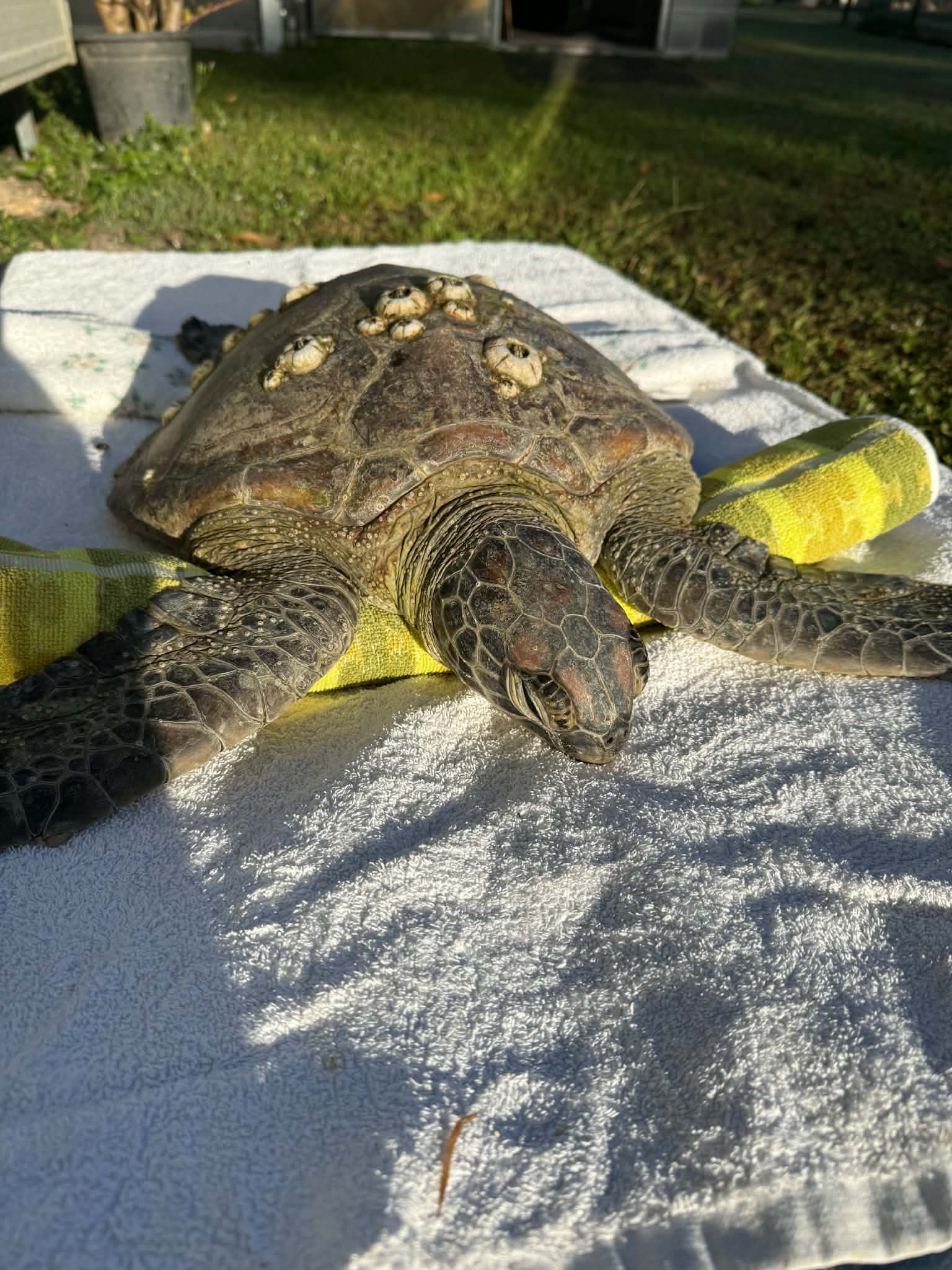
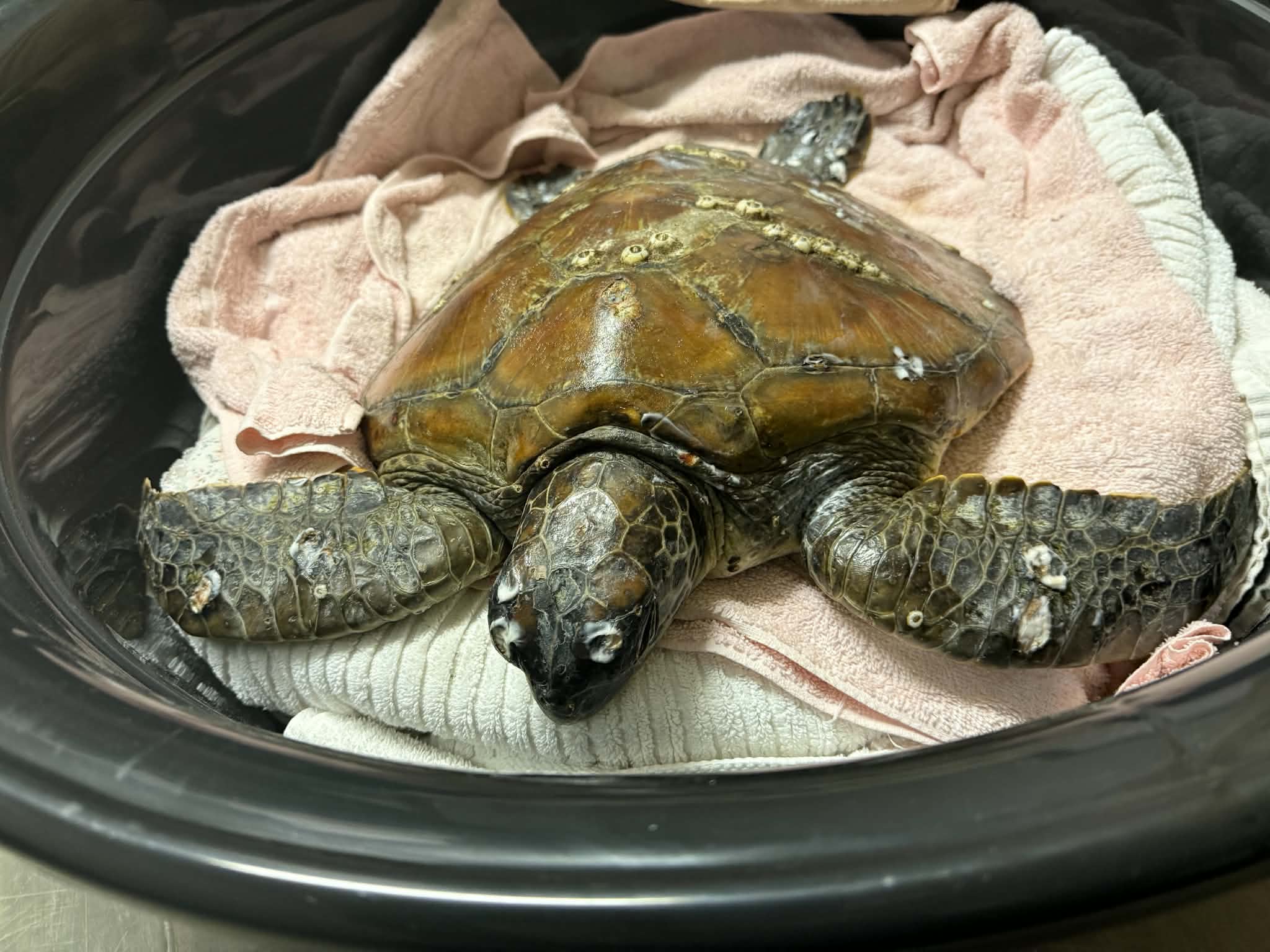
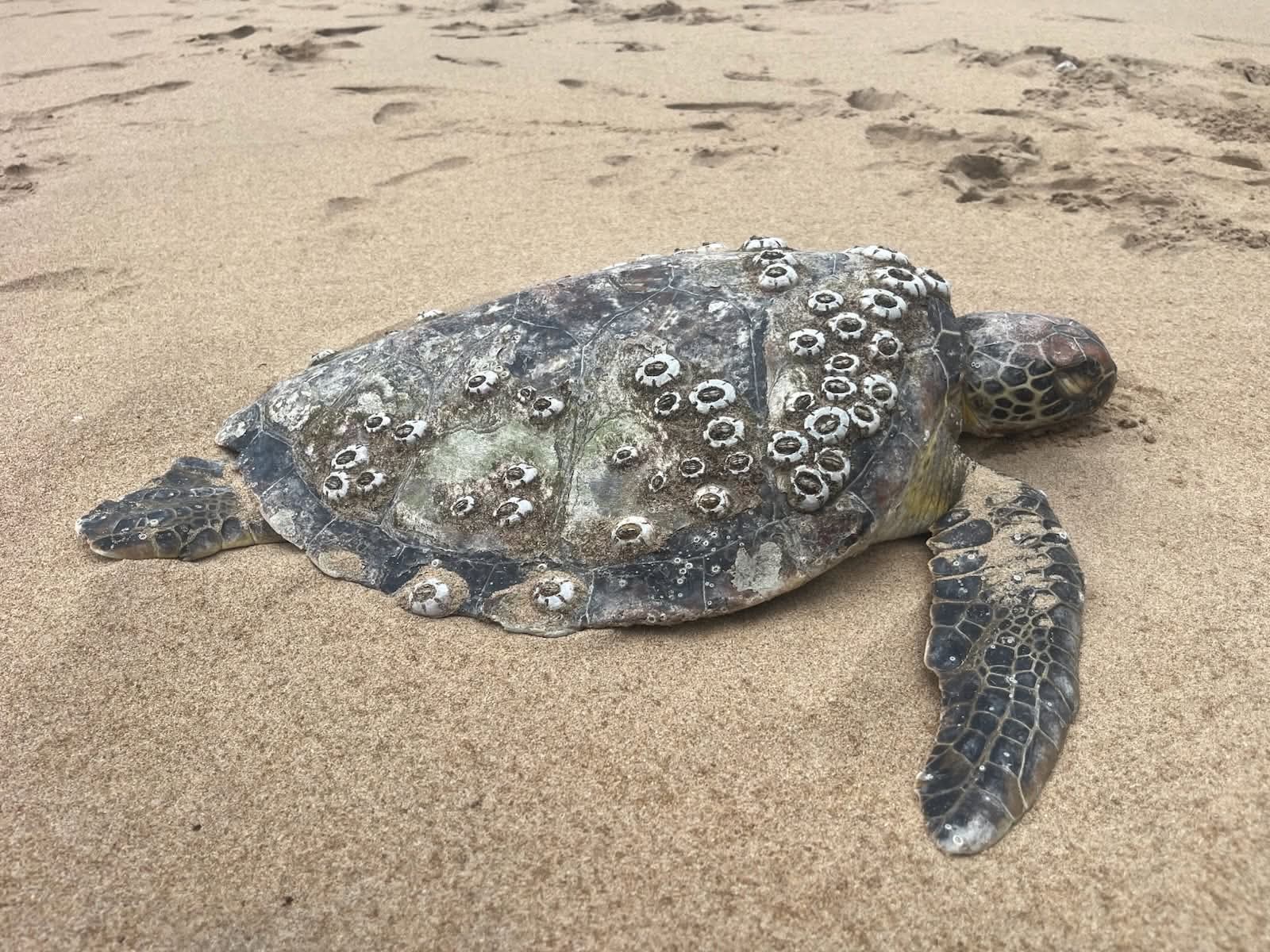
At our rehabilitation center, we operate a specialized rescue and recovery facility dedicated to sick, injured, and stranded sea turtles. Turtles admitted to our care frequently suffer from acute epibiont infestations—such as heavy accumulations of barnacles, marine algae, and leech parasites—which significantly increase hydrodynamic drag, weaken their shells, and severely hinder their ability to swim and forage effectively.
Our dedicated veterinary and volunteer team carries out medical cleaning, de-epibiont treatments, pathogen control, and strength rebuilding. Each turtle undergoes tailored rehabilitation protocols, including careful shell restoration and monitored hydration swimming, ensuring they are fully restored to peak health before being tagged and released back into their natural ocean habitat.
Rehabilitation Trends & Data Analysis
Monitoring intake data and recovery milestones allows our research team to track treatment efficacy over time and analyze broader threats affecting coastal turtle populations. The chart below illustrates our ongoing rescue and release metrics across key patient categories:
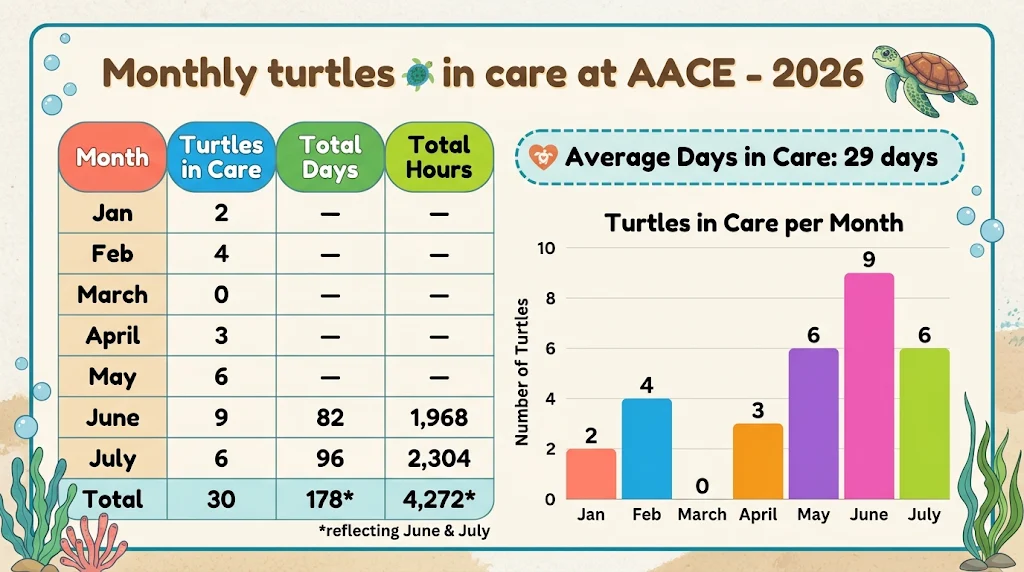
Figure 1.1: Monthly Breakdown of Turtles in Care Up to July 2026.
The data emphasizes the positive impact of prompt rescue interventions. Following targeted shell treatment and physical recovery, patient release rates show consistent upward trends, directly contributing to regional marine conservation efforts.
Patient Case Studies: Before & After Treatment
The table below provides a structured comparison of our patient cases. On mobile devices, swipe left and right across the table to view all three columns.
| Patient NA | Patient T7 | Patient T9 |
|---|---|---|
| 1. BEFORE TREATMENT (ADMISSION CONDITION) | ||
 |
 |
 |
| 2. AFTER TREATMENT (POST-REHABILITATION) | ||
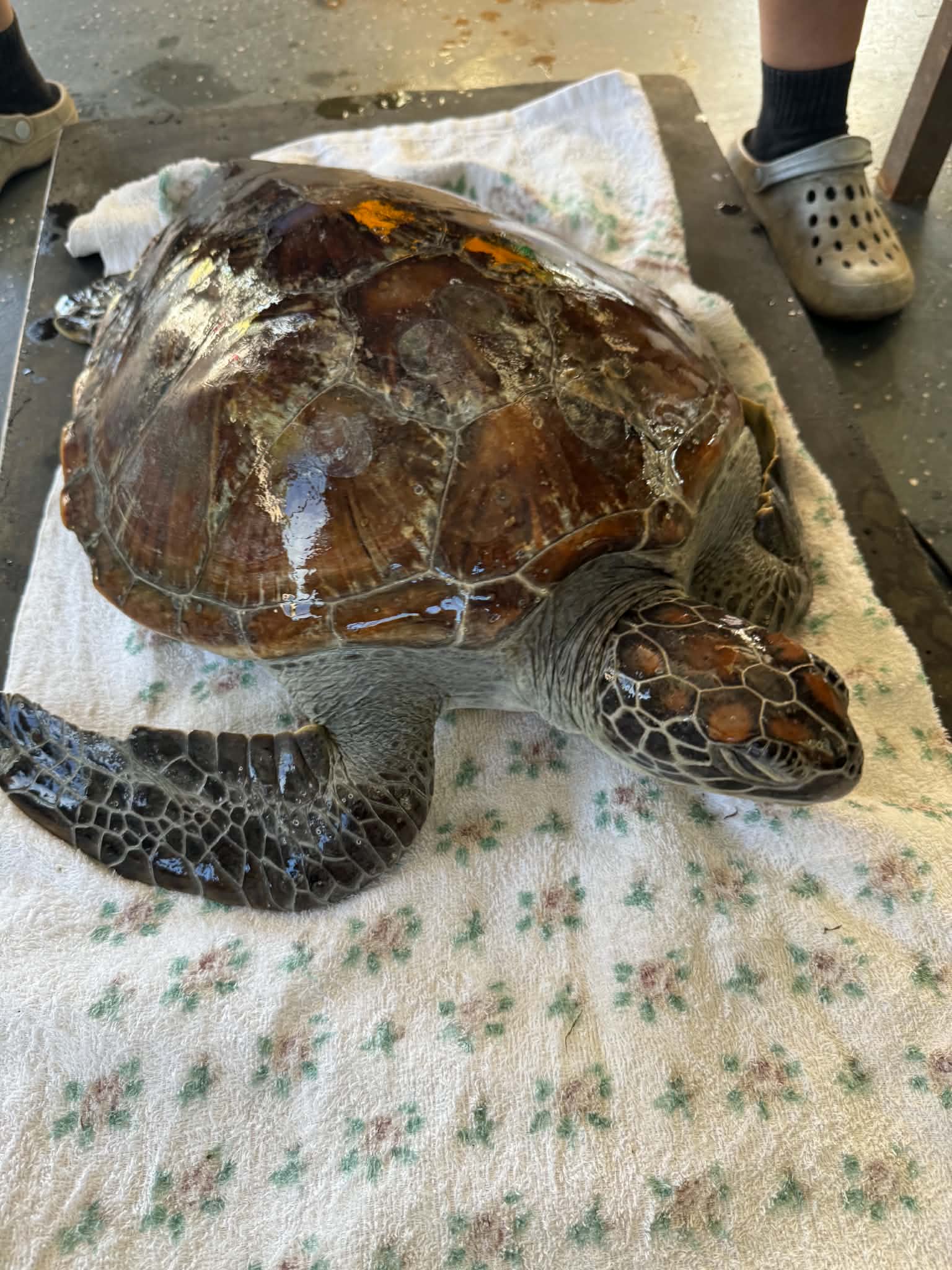 |
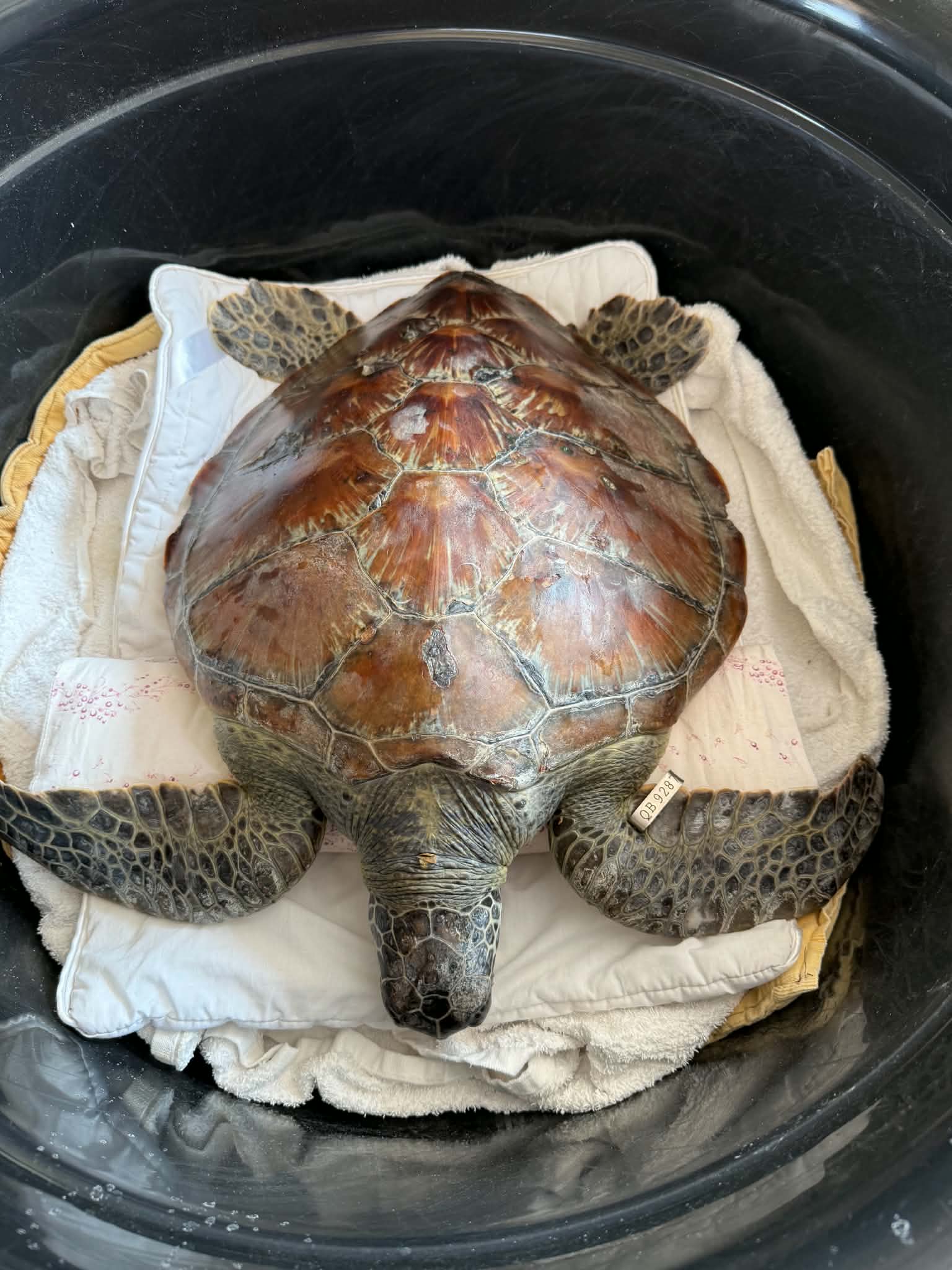 |
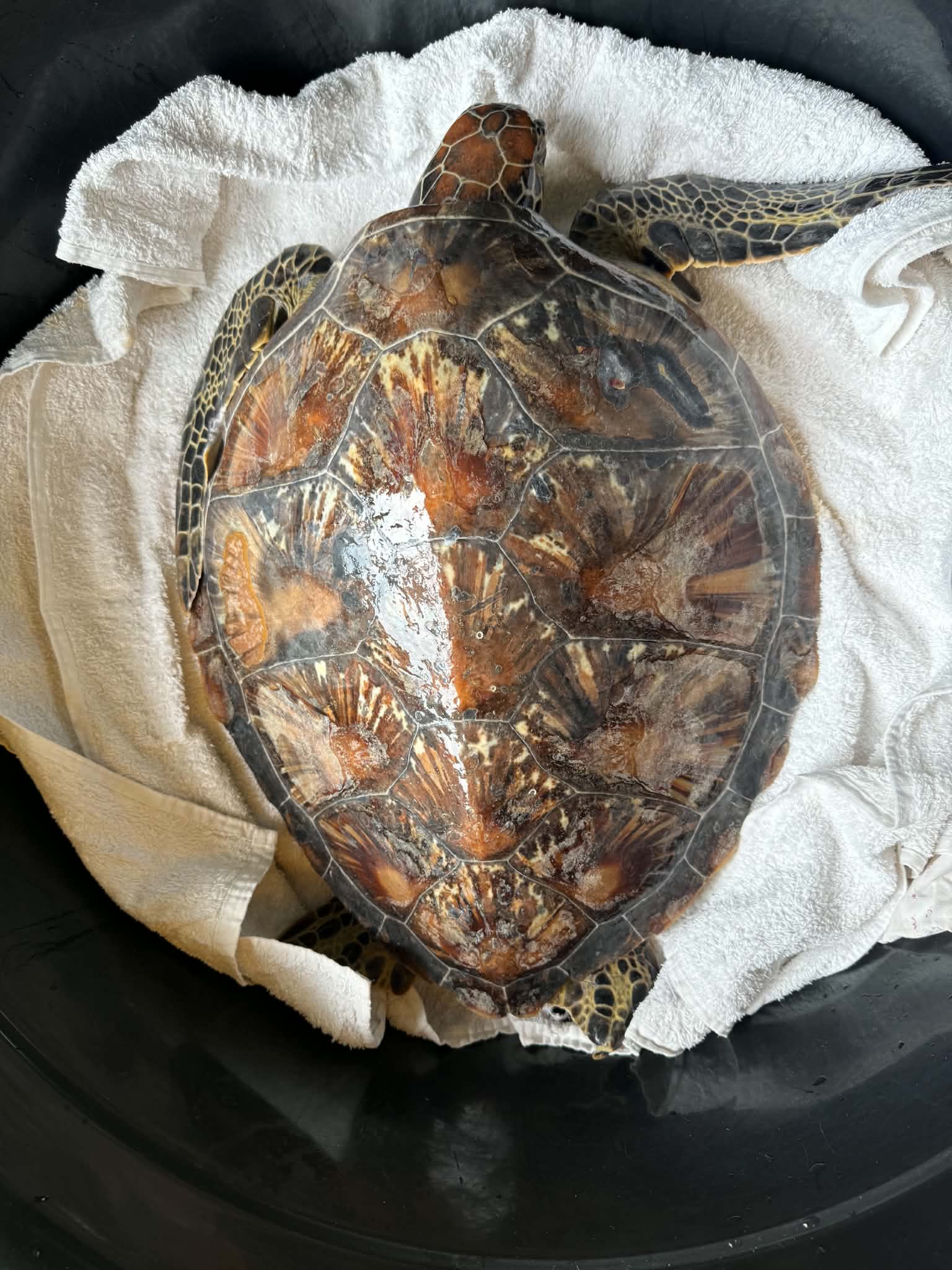 |
| 3. CASE SUMMARIES & STATUS | ||
|
Patient NA Status: Admitted with heavy barnacle load and shell encrustation. Following physical cleaning, medical hydration, and therapy, shell clarity and flipper mobility were fully restored. |
Patient T7 Status: Presented with localized carapace fouling and lethargy. Successfully cleaned, fitted with identification tag QB 9287, and declared fit for wild release. |
Patient T9 Status: Rescued stranded on shore with extensive epibiont encrustation across the carapace, neck, and flippers. Underwent thorough de-barnacling, wound care, and shell recovery treatment. |